
The End of an Era at Berkshire Hathaway
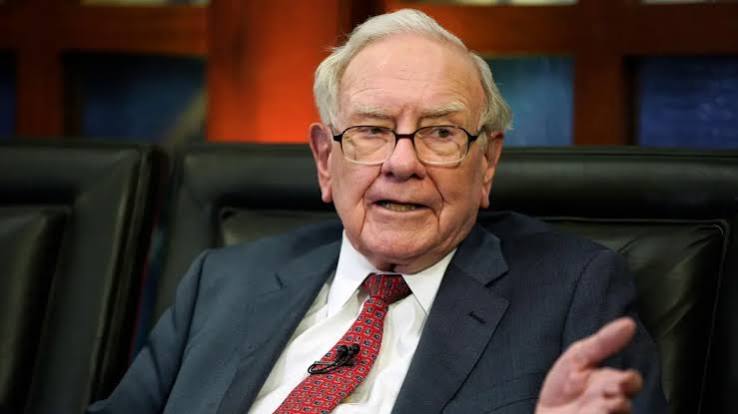
After steering Berkshire Hathaway’s board for more than half a century, Warren Buffett has formally stepped back from the chairmanship, closing out one of the most closely watched succession stories in modern corporate history. The 96-year-old investor will now carry the title of chairman emeritus, a largely symbolic role that keeps him on the board as a director while removing him from the top of its governance structure.
Taking his place is his son, Howard Buffett, who has served on Berkshire’s board since the early 1990s. The younger Buffett’s elevation had long been signaled as part of a carefully staged transition designed to protect the company’s culture once its founder was no longer directly at the helm. Meanwhile, Greg Abel, who took over as chief executive at the start of this year, remains firmly in charge of Berkshire’s sprawling operations, spanning insurance, railroads, energy, retail and a multibillion-dollar equity portfolio.
A Multi-Year Handover, Finally Complete
Buffett’s exit from the chairmanship is the latest chapter in a transition that unfolded gradually rather than all at once. He first signaled his intention to step back from an active leadership role during Berkshire’s 2025 annual meeting, when he told a packed arena of shareholders that the time had come for Abel to take the reins as chief executive. That handover became official on January 1 of this year.
Since then, Abel has moved with more confidence than some observers expected from a low-key former utilities executive. Under his watch, Berkshire has reshaped parts of its investment portfolio, elevating Alphabet into one of its largest holdings and trimming several smaller positions. The shift suggests a management style willing to make bolder allocation calls than Buffett typically favored in his later years, even as the company’s core investment philosophy remains intact.
Buffett’s decision to give up the chairman title reflects both confidence in his successors and a candid acknowledgment of his own age. In a letter addressed to shareholders, he described his newborn great-grandson as already outpacing him and noted that time eventually catches up with everyone, even as he expressed unusual confidence in Berkshire’s direction going forward. It’s a tone that longtime Berkshire watchers say is consistent with Buffett’s decades-long habit of downplaying his own role in favor of the institution he built.
Why Howard, and Why Now
Buffett has been explicit for years that Howard’s role would differ fundamentally from Abel’s. Rather than making investment or operational decisions, Howard is expected to act as a cultural guardian, someone empowered to intervene only if Berkshire’s identity or values were ever at risk under different leadership. Buffett has previously described his son’s position as an insurance policy that shareholders own but hope never need to use.
That framing underscores just how deliberately this transition was engineered. Unlike many family successions in corporate America, which draw criticism for prioritizing bloodline over merit, Berkshire’s arrangement separates operational authority from cultural stewardship. Abel runs the business. Howard, by contrast, holds a kind of veto power intended purely to preserve the ethos Buffett spent sixty years cultivating, including the company’s aversion to excessive risk-taking, its long-term investment horizon and its emphasis on shareholder-friendly capital allocation.
Susan Decker, who has served as Berkshire’s lead independent director, will continue in that capacity, providing an additional layer of governance continuity as the company adjusts to life without Buffett in an executive capacity for the first time in generations.
Market and Industry Reaction
Berkshire’s roughly one trillion dollar market value makes it one of the largest and most closely tracked companies globally, meaning any change at the top draws scrutiny well beyond its shareholder base. Analysts have largely framed the transition as an orderly, well-telegraphed handover rather than a moment of uncertainty, pointing to years of public groundwork laying out exactly how succession would unfold.
Abel, for his part, praised Buffett’s influence as unmatched in the history of American business, while pledging that the culture Buffett built would remain central to how Berkshire operates going forward. Industry observers note that the real test of the transition will not be this announcement itself, but how Berkshire performs and behaves during its first major economic downturn or market shock without Buffett steering the ship directly.
What Comes Next
For now, Buffett says he intends to continue showing up to the office, offering counsel to Abel and scouting potential deals, even without formal authority to execute them. That informal advisory role may continue for years, giving Berkshire a rare luxury: access to one of the most respected investment minds in modern history, without the succession risk of relying on him operationally.
Buffett’s charitable commitments, including his role in co-founding the Giving Pledge alongside Bill Gates and Melinda French Gates, are expected to continue occupying a growing share of his time as he steps back from corporate duties. Berkshire, meanwhile, enters a new chapter with a governance structure years in the making, one designed to outlast the very man who built it.
