
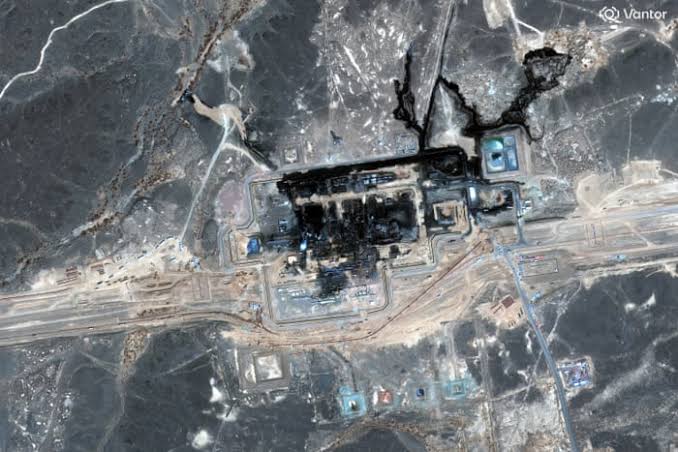
A Critical Lifeline Goes Dark
Global oil markets have been thrown into fresh turmoil after a series of drone attacks disabled Saudi Arabia’s East-West pipeline, the kingdom’s only major crude route that bypasses the increasingly dangerous Strait of Hormuz. The pipeline, capable of carrying roughly seven million barrels of oil a day from Eastern Province production fields to the Red Sea export terminal at Yanbu, was shut down as a precaution after multiple strikes damaged pumping infrastructure along its route.
The closure has removed what traders describe as Saudi Arabia’s essential backup export channel at the worst possible moment. With tanker traffic through the Strait of Hormuz already collapsing due to the broader regional conflict between the United States and Iran, the loss of the East-West pipeline strips away roughly 30 to 40% of the crude Saudi Arabia would otherwise be able to move out of the Gulf.
Prices Spike, Then Stabilize
Brent crude, the international benchmark, surged toward 104 a barrel at its peak. American motorists felt the shock almost immediately, with national average gasoline prices pushing above $4.30 a gallon.
By Thursday, some of that panic had begun to fade. Oil prices pulled back roughly 3% after Saudi authorities signaled that restoration work on the damaged sections was progressing and that at least partial capacity could be restored within days rather than the eight weeks some analysts had initially feared. Brent slipped back toward the 102, though both remain sharply elevated compared with pricing before the attacks began.
Analysts Warn the Danger Isn’t Over
Despite the modest pullback, energy analysts caution that the underlying risk remains severe. Strategists at Goldman Sachs noted in a client briefing that a more serious or prolonged disruption could threaten the remaining capacity still flowing through Yanbu, with repair timelines ranging from a matter of days to as long as two months depending on the extent of the damage. The bank said a sustained outage raises the probability that Brent crude could climb above $120 a barrel, particularly if average Gulf oil output through 2027 remains meaningfully below pre-conflict levels.
Market strategists have also pointed to a broader pattern of escalation. Iran-backed Houthi forces based in Yemen launched fresh strikes on Saudi territory in the days leading up to the pipeline attack, while talks between Gulf Arab states and Iran aimed at de-escalating tensions collapsed before they could produce results. That breakdown in diplomacy has left traders with little confidence that the current lull in prices will hold.
A Test for Saudi Arabia’s Energy Infrastructure
For Saudi Arabia, the world’s largest oil exporter, the attacks represent one of the most serious threats to its energy infrastructure since a wave of strikes on its Abqaiq and Khurais facilities years earlier temporarily knocked out roughly half the kingdom’s production capacity. Riyadh has moved quickly to reassure global buyers, dispatching officials to inspect and document the damage while emphasizing that repair crews are working around the clock.
Even so, traders note that Saudi Arabia’s options for moving crude without incident are narrowing. With Hormuz effectively choked off and the East-West pipeline only partially restored, the kingdom could soon face a scenario in which it is forced to curtail exports simply because it lacks the physical capacity to move barrels to market — regardless of how much oil it is able to produce.
Ripple Effects Across the Global Economy
The consequences of the disruption are already spreading well beyond the Gulf. Rising crude prices are a key contributor to the inflation pressures that pushed the US Federal Reserve to raise interest rates this week for the first time in three years. Airlines, shipping companies, and manufacturers reliant on diesel and jet fuel are bracing for higher input costs, while several governments in Asia and Europe are reviewing fuel subsidy programs to cushion consumers from the price shock.
Gold and other safe-haven assets have also seen renewed buying interest as investors hedge against the possibility of a broader conflict spreading further across the region. Currency markets, too, have shown signs of stress, with oil-importing emerging economies watching their import bills climb in real time.
What Happens Next
The path forward largely hinges on two unresolved questions: how quickly Saudi Arabia can fully restore the East-West pipeline, and whether renewed diplomatic efforts can prevent further attacks on Gulf energy infrastructure. Washington has publicly pledged support for a rapid repair effort, though officials have offered few specifics on what that assistance might involve.
For now, global oil markets remain on edge. Even with Thursday’s modest price retreat, traders say the region’s energy infrastructure has entered a period of sustained vulnerability that is unlikely to resolve itself quickly meaning consumers and businesses worldwide should brace for continued volatility at the pump and beyond.
