
Summary
Electric vehicle sales across Europe are gaining momentum in 2026, with battery-powered cars capturing a larger share of the automotive market. Government incentives, growing consumer demand and fierce competition among global automakers are driving the industry’s latest growth phase.
Europe’s Electric Vehicle Market Returns to Growth
BRUSSELS — Europe’s electric vehicle market is experiencing a strong resurgence in 2026 as consumers increasingly choose battery-powered vehicles despite persistent economic uncertainty and higher living costs. New registration figures released across several European markets show that electric vehicles are once again becoming one of the fastest-growing segments of the automotive industry.
The rebound marks an important turning point after a slower period in 2024 and early 2025, when rising interest rates, reduced subsidies and concerns over charging infrastructure weakened consumer demand. Now, improving technology, more affordable models and renewed government incentives are helping accelerate sales across the continent.
Industry analysts say the latest trend highlights Europe’s continued commitment to reducing emissions while strengthening its transition toward cleaner transportation.
Germany, France and the UK Lead Demand
Germany remains Europe’s largest electric vehicle market, recording another month of strong battery-electric registrations. France and the United Kingdom also reported significant increases, reflecting renewed confidence among both private buyers and fleet operators.
Several European governments have expanded purchase incentives, tax benefits and financing schemes aimed at encouraging drivers to replace petrol and diesel vehicles with electric alternatives. These policies have helped offset concerns about vehicle affordability during a period of slower economic growth.
Southern European markets, including Spain and Italy, are also beginning to show stronger momentum as charging infrastructure expands and manufacturers introduce lower-priced models.
Automakers Face Intensifying Competition
Europe’s growing EV market has become increasingly competitive.
Traditional European manufacturers including Volkswagen, BMW, Mercedes-Benz and Renault are expanding their electric lineups while increasing production capacity inside Europe. At the same time, Tesla continues competing aggressively through pricing strategies and updated vehicle models.
Chinese manufacturers such as BYD, MG and several emerging brands are rapidly increasing their presence across European markets by offering competitively priced electric vehicles equipped with advanced technology.
This competition is benefiting consumers through broader model availability, improved battery range and more affordable pricing options.
Automotive experts believe price competition will remain one of the defining themes of Europe’s EV market over the next two years.
Smaller, More Affordable EVs Drive Sales
One of the biggest shifts in 2026 is growing demand for compact and mid-sized electric vehicles rather than premium models.
Manufacturers have introduced a wave of vehicles priced for mainstream buyers, making electric mobility accessible to households previously unable to consider EV ownership.
Consumers are increasingly prioritizing:
- Longer driving range.
- Faster charging capability.
- Lower purchase prices.
- Reduced maintenance costs.
- Improved battery warranties.
These factors have helped electric vehicles appeal beyond early adopters and environmentally conscious buyers.
Fleet operators and corporate customers are also accelerating purchases as businesses work toward sustainability targets.
Charging Infrastructure Continues Expanding
Investment in charging infrastructure remains a key reason behind rising electric vehicle adoption.
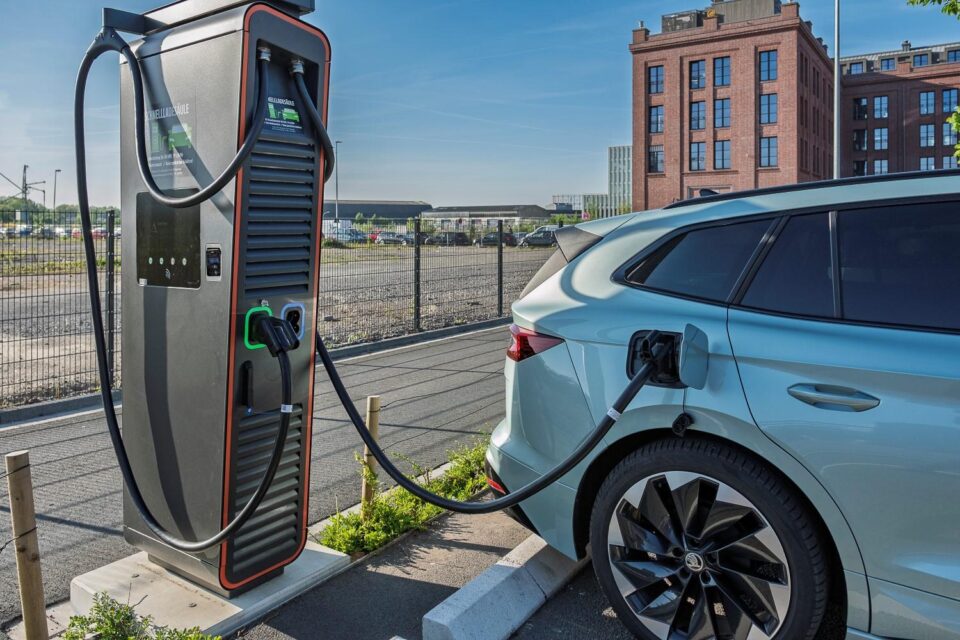
Across Europe, governments and private companies are installing thousands of additional public charging stations, including high-speed chargers along major highways and urban centers.
Countries including Germany, France, the Netherlands and the Nordic nations continue leading infrastructure development, while Eastern European markets are investing heavily to close the gap.
Faster charging networks have reduced one of the biggest barriers to EV ownership, particularly for drivers who regularly travel long distances.
Industry groups say continued investment will be essential as millions of additional electric vehicles enter European roads during the next decade.
EU Climate Goals Shape the Automotive Industry
Europe’s transition to electric mobility is closely linked to its long-term climate strategy.
The European Union has introduced increasingly strict emissions standards for automakers while maintaining plans to significantly reduce emissions from new vehicles over the coming years.
These regulations are encouraging manufacturers to invest billions of euros in battery production, electric vehicle assembly plants and research into next-generation battery technology.
Automakers that fail to meet emissions targets could face substantial financial penalties, making EV production a business necessity rather than simply a market opportunity.
The shift is also reshaping Europe’s supply chains, with greater investment in battery manufacturing and recycling facilities.
Consumers Still Face Important Challenges
Despite improving sales, challenges remain for Europe’s electric vehicle industry.
Higher electricity prices in some countries continue affecting charging costs, while economic uncertainty has made some households cautious about purchasing new vehicles.
Consumers also continue raising concerns about:
- Battery replacement costs.
- Public charging availability in rural areas.
- Vehicle resale values.
- Charging speeds during peak travel periods.
Manufacturers are responding with longer battery warranties, software improvements and expanded service networks.
Financial institutions are also introducing more attractive leasing and financing options for electric vehicles.
European Battery Industry Expands Investment
Battery manufacturing has become one of Europe’s fastest-growing industrial sectors.
Governments and private investors are funding new battery gigafactories across Germany, France, Sweden, Hungary and several other countries. These facilities are expected to reduce Europe’s dependence on imported battery components while supporting domestic automotive production.
Investment is also increasing in battery recycling technologies, allowing valuable materials such as lithium, nickel and cobalt to be recovered for future production.
Industry leaders argue that building a stronger battery ecosystem is essential for Europe’s long-term competitiveness.
What Rising EV Sales Mean for Europe’s Economy
The recovery in electric vehicle demand is providing positive momentum for Europe’s manufacturing sector.
Higher EV production supports employment across automotive factories, battery plants, software development companies and charging infrastructure providers.
The transition is also creating opportunities for renewable energy companies, utilities and technology firms developing smart charging systems and vehicle-to-grid solutions.
Economists say stronger EV demand could become an important contributor to industrial growth as Europe continues investing in clean technology.
What Happens Next?
Analysts expect electric vehicle sales to continue rising during the second half of 2026 as additional models enter the market and government incentives remain in place across several countries.
Competition among European, American and Chinese automakers is expected to intensify, leading to further innovation and potentially lower prices for consumers.
The industry’s next major focus will be expanding affordable EV options while ensuring charging infrastructure grows quickly enough to meet increasing demand.
Conclusion
The latest rebound in European electric vehicle sales signals renewed confidence in Europe’s transition toward cleaner transportation. Supported by government policies, expanding charging infrastructure and growing competition among automakers, the continent’s EV market is entering a new phase of growth that is reshaping one of the world’s largest automotive industries.
#ElectricVehicles #Europe #EVMarket #CleanEnergy #Automotive #INC29
