
Summary
The United States is preparing one of its toughest sanctions packages against Iran, targeting Tehran’s remaining oil revenues and countries that continue trading with the Islamic Republic. The move comes as Iran warns it could further restrict oil exports through the Strait of Hormuz, raising concerns over global energy supplies and financial markets.
Washington Escalates Economic Campaign Against Tehran
WASHINGTON/DUBAI — The United States is preparing to launch a sweeping new round of economic sanctions against Iran, significantly increasing pressure on Tehran as tensions around the Strait of Hormuz continue to disrupt global energy markets. The measures are expected to target Iran’s oil exports, financial networks and international trading partners in what US officials describe as one of the strongest sanctions campaigns imposed on the country.
The announcement comes amid continuing regional tensions involving the United States, Israel and Iran, with diplomatic negotiations stalled and concerns growing over the stability of one of the world’s most important energy corridors.
Global markets are closely watching Washington’s next steps because the Strait of Hormuz handles a significant share of the world’s seaborne oil trade, making any disruption a potential shock for fuel prices, inflation and international shipping.
New Sanctions Aim to Cut Iran’s Economic Lifelines
The latest US sanctions on Iran are expected to go beyond previous restrictions by introducing tougher secondary sanctions against governments, banks and companies that continue doing business with Tehran.
US Treasury Secretary Scott Bessent has described the initiative as an unprecedented financial offensive designed to isolate Iran from the global economy. According to US officials, the sanctions will focus on reducing Iran’s oil revenues, restricting financial transactions and discouraging foreign investment in Iranian industries.
Washington argues that Iran continues to finance regional military activities through oil income and wants trading partners to reduce economic cooperation with Tehran.
Analysts say countries purchasing Iranian crude—particularly in Asia—could face increased financial pressure if secondary sanctions are implemented.
Iran Rejects Washington’s Pressure Campaign
Tehran has dismissed the planned sanctions, calling them illegal and politically motivated.
Iranian Foreign Minister Abbas Araqchi said the United States is resorting to economic coercion because military pressure has failed to achieve its objectives. Iranian officials insist sanctions will not force Tehran to abandon its strategic policies or accept Washington’s conditions for negotiations.
Iran has also warned neighboring countries against supporting the US sanctions campaign, saying cooperation could damage regional relations and security.
President Masoud Pezeshkian has continued calling for diplomacy while insisting Iran will negotiate only from what he described as a position of strength.
Strait of Hormuz Remains the World’s Biggest Energy Flashpoint
The Strait of Hormuz remains at the center of the confrontation.
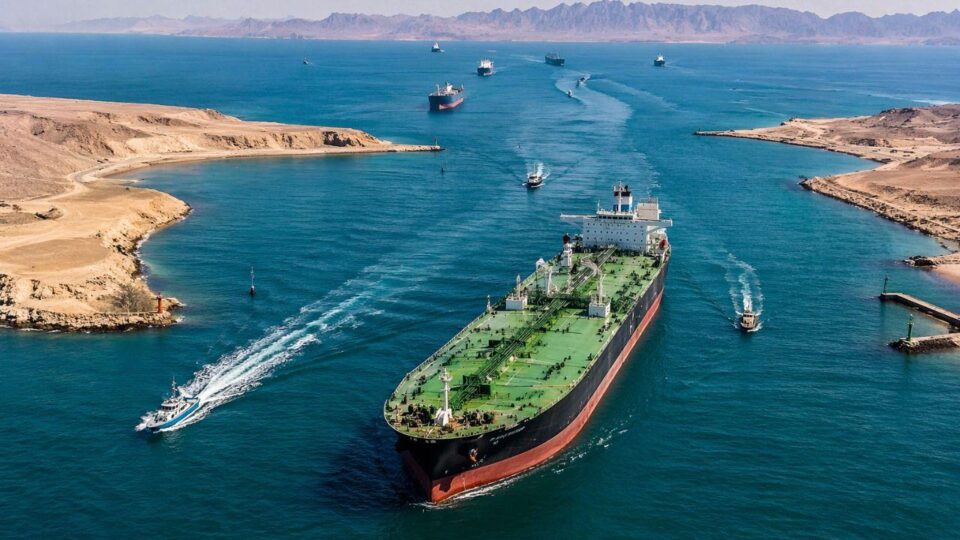
The narrow waterway between Iran and Oman is one of the world’s busiest maritime chokepoints. A substantial share of global crude oil exports and liquefied natural gas shipments passes through the strait each day, making it essential for energy supplies to Asia, Europe and other regions.
Iran has warned it could halt or further restrict Gulf oil exports if Washington expands economic pressure. Iranian authorities have also discussed new rules governing vessel transit through the strait, increasing uncertainty for commercial shipping companies.
Shipping data over the weekend showed a noticeable decline in vessel traffic through the strait, highlighting the growing impact of geopolitical tensions on maritime trade.
Oil Markets React with Fresh Volatility
Energy markets began the week cautiously as investors awaited details of the US sanctions package.
Brent crude and West Texas Intermediate prices slipped after recent gains, reflecting uncertainty over whether tougher sanctions would tighten supply further or whether traders were locking in profits before Washington’s announcement.
Despite Monday’s decline, oil prices remain elevated compared with earlier in the month because traders continue to price in geopolitical risks surrounding the Middle East.
Commodity analysts warn that prolonged restrictions in the Strait of Hormuz could affect:
- Global crude oil supplies.
- LNG shipments from Gulf producers.
- Shipping insurance costs.
- Fuel prices across Europe and Asia.
For oil-importing countries including India, Japan and South Korea, sustained disruption could increase import bills and inflationary pressure.
Iran’s Currency Hits a Record Low
The economic pressure is already being felt inside Iran.
The Iranian rial has fallen to a new record low on informal currency markets as businesses and households react to expectations of harsher US sanctions. The weakening currency has increased the cost of imported goods and intensified inflation, adding to existing economic challenges.
While Iran’s official exchange rate remains significantly lower than the informal market rate, many businesses rely on the parallel market for foreign currency transactions.
Economists say continued sanctions could worsen unemployment, reduce purchasing power and increase pressure on the government’s finances.
Financial Markets Watch Washington’s Next Move
Investors around the world are closely monitoring developments because sanctions on Iran have implications beyond energy markets.
Global equity markets traded cautiously as uncertainty surrounding Iran coincided with broader concerns about trade tensions and upcoming US economic events. The US dollar strengthened against several currencies while gold extended recent gains as investors sought safe-haven assets.
Market participants are also assessing whether additional sanctions could affect major oil buyers and international shipping companies operating in the Gulf.
The uncertainty has added another layer of volatility to already fragile commodity markets.
Regional Diplomacy Faces a Difficult Test
Despite escalating rhetoric, diplomatic efforts have not completely stopped.
Pakistan is expected to continue mediation efforts between Tehran and Washington, while regional governments are encouraging dialogue to prevent further escalation in the Gulf. Several countries have urged both sides to avoid actions that could threaten maritime trade or regional security.
China has also called for diplomatic engagement instead of additional economic pressure, reflecting concerns about energy security and global trade.
However, analysts believe negotiations remain difficult as both Washington and Tehran continue to exchange warnings while maintaining firm public positions.
Why the Strait of Hormuz Matters to the Global Economy
The current standoff extends well beyond the Middle East.
The Strait of Hormuz connects Gulf oil producers with international markets, making it one of the most strategically important waterways in the world. Any sustained disruption affects not only crude exports but also natural gas supplies, shipping schedules and manufacturing costs across multiple continents.
Higher transportation costs can quickly translate into more expensive fuel, electricity and consumer goods, creating inflationary pressure in economies already dealing with slower global growth.
For governments and central banks, developments in the Gulf have become an important factor in assessing future energy prices and economic stability.
What Happens Next?
Washington is expected to formally unveil the sanctions package later today, with details likely to clarify which industries, companies and foreign partners will be targeted. Markets will also watch Iran’s response, particularly any changes to shipping rules or oil exports through the Strait of Hormuz.
The coming days could determine whether the confrontation remains an economic conflict or evolves into a broader regional crisis with deeper consequences for global energy markets.
Conclusion
The latest US sanctions on Iran mark a significant escalation in Washington’s strategy to isolate Tehran economically. As tensions over the Strait of Hormuz continue to influence oil prices, shipping routes and investor confidence, the dispute has become one of the defining geopolitical and economic stories shaping global markets this week.
#Iran #US #OilPrices #Hormuz #MiddleEast #GlobalEconomy #INC29
