
Saudi Arabia’s Vital Oil Pipeline Remains Shut, Deepening Global Energy Anxiety
A critical artery of the global oil trade remains offline more than a week after coordinated drone strikes forced Saudi Arabia to shut down its East-West pipeline, leaving energy markets bracing for a supply crunch that could stretch on for weeks.
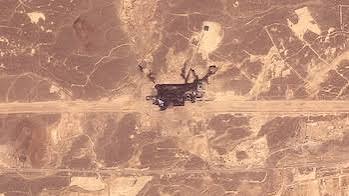
The 1,200-kilometer pipeline, which normally carries several million barrels of crude a day from the kingdom’s eastern oil fields to the Red Sea export terminal at Yanbu, was closed as a precaution after drones launched from inside Iraq struck pumping infrastructure, sparking fires and causing injuries in the Riyadh and Medina regions. No group has formally claimed responsibility, though U.S. officials have pointed to Iran-aligned militias operating in Iraq, an accusation Tehran has firmly denied.
Why This Pipeline Matters So Much
For most of the year, the pipeline has served as Saudi Arabia’s essential workaround for a much larger problem: the near-total disruption of tanker traffic through the Strait of Hormuz since the outbreak of the war between the United States, Israel and Iran in February. With that narrow waterway effectively closed to safe passage, the East-West pipeline became the kingdom’s primary means of moving crude to international buyers without sailing anywhere near the conflict zone.
Its closure, then, does not simply remove one export option among several. Analysts estimate the shutdown could take between 4% and 5% of global oil supply off the market, an amount significant enough to move prices meaningfully even in ordinary circumstances, and considerably more disruptive against the backdrop of an energy market already stretched thin by months of regional conflict.
A Race Against Depleting Stockpiles
Saudi Arabia has scrambled to soften the blow, redirecting crude toward storage facilities and alternative shipping arrangements. But industry estimates suggest that stockpiles at the Yanbu export terminal could be depleted within roughly five to seven days if the pipeline stays offline, while reserves held at Saudi-linked storage facilities in Egypt could provide only a modest additional buffer.
The scale of the damage to pumping stations along the route remains unclear, and Saudi officials have not offered a firm timeline for when full service might resume. That uncertainty has itself become a source of market anxiety, with traders forced to price in the possibility of an extended outage rather than a quick fix.
Prices Surge, Then Ease
Oil prices broke above the symbolically important $100-a-barrel threshold in the days following the attack, with Brent crude climbing as much as 8% over the course of the week as the shutdown compounded existing disruptions from the broader regional conflict. Energy analysts have warned that a prolonged outage lasting a month or more could keep well over 100 million barrels of crude off global markets, a shortfall with the potential to push prices considerably higher still.
More recently, prices have eased somewhat as reports emerged of progress toward restoring at least partial flows through the pipeline, offering markets a degree of relief even as the underlying vulnerability remains exposed. Falling oil prices in turn helped ease broader inflation concerns and contributed to a pullback in government bond yields that had been climbing to multi-year highs.
A Region Under Strain
The pipeline attack did not occur in isolation. It came amid a broader escalation involving Iran-backed Houthi forces in Yemen, who have separately targeted Saudi energy facilities and civilian infrastructure and declared a maritime blockade aimed at disrupting shipping through the Bab el-Mandeb Strait, another critical corridor connecting the Red Sea to global trade routes. Taken together, the attacks illustrate just how many chokepoints now sit under threat simultaneously, leaving global energy markets with dramatically fewer safe routes than they had even a year ago.
What It Means for the World Economy
The consequences extend well beyond the oil market itself. Higher and more volatile energy prices feed directly into inflation figures worldwide, complicating the calculations of central banks already grappling with how aggressively to respond. The U.S. Federal Reserve’s decision this week to raise interest rates for the first time in three years was driven in large part by exactly this kind of energy-driven inflation pressure, and Japan’s central bank cited similar concerns in its own rate decision. Airlines, shipping companies and manufacturers reliant on fuel-intensive operations are also facing rising input costs that are likely to be passed on to consumers in the months ahead.
Looking Ahead
With the Strait of Hormuz still effectively closed and the East-West pipeline only partially operational at best, Saudi Arabia’s options for reliably exporting its crude remain severely constrained. Much now depends on how quickly repairs can be completed, whether further attacks materialize, and whether diplomatic efforts can de-escalate a conflict that has already reshaped global energy markets in ways few anticipated at the start of the year.
