
Geothermal Startup Mazama Energy Lands $135 Million to Chase “Superhot Rock” Power
A geothermal energy startup betting on one of the most ambitious ideas in clean power has secured a major infusion of capital, in the latest sign that investors are increasingly willing to fund next-generation approaches to always-on renewable electricity.
Mazama Energy announced it has closed a $135 million Series B funding round led by Centaurus Capital and Doerr Capital, with participation from oil and gas giants ConocoPhillips and Shell Ventures, alongside repeat backing from Khosla Ventures and Gates Frontier. Additional investors in the round include SiteGround Capital, H. Barton Asset Management and the Jeffrey and Marieke Rothschild Foundation.
What “Superhot Rock” Geothermal Actually Means
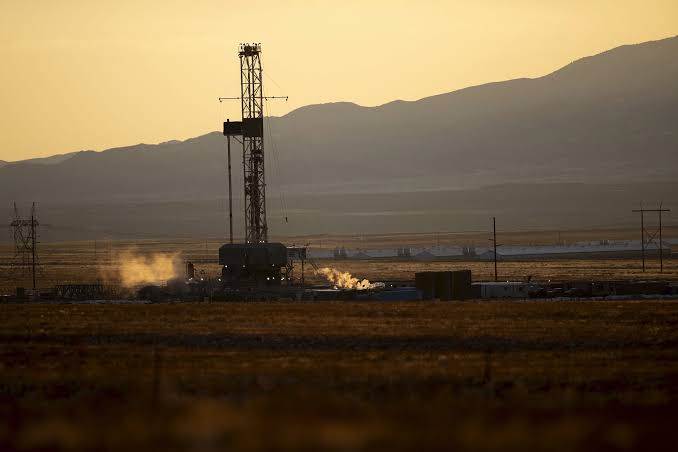
Traditional geothermal energy relies on tapping naturally occurring hot water or steam reservoirs close to the surface, which limits where the technology can be deployed economically. Mazama’s approach is more ambitious: it aims to drill far deeper, down to rock formations so hot that water pumped into them turns into a supercritical fluid capable of generating dramatically more energy per well than conventional geothermal systems.
If the technology can be proven at commercial scale, proponents argue it could unlock geothermal power in regions previously considered unsuitable, turning what has long been a niche renewable source into something capable of delivering steady, round-the-clock electricity comparable to a traditional power plant, but without the carbon emissions.
Why Investors — Including Oil Majors — Are Paying Attention
The involvement of ConocoPhillips and Shell Ventures is notable and reflects a broader trend of traditional energy companies looking to apply their deep-drilling expertise and capital to emerging clean energy technologies. Drilling several kilometers into the earth’s crust draws on many of the same engineering disciplines used in oil and gas extraction, giving established energy companies a natural entry point into the geothermal sector as they look to diversify beyond fossil fuels.
The timing of the investment also lines up with a broader surge in electricity demand, driven in large part by the explosive growth of artificial intelligence data centers, which require enormous and consistent amounts of power. Unlike solar and wind, which depend on weather conditions, geothermal energy can provide continuous baseload electricity, making it an increasingly attractive option for technology companies and utilities racing to secure reliable power sources for AI infrastructure.
A Broader Funding Wave
Mazama’s raise landed amid a broader wave of venture activity this week across the clean energy and deep-tech sectors. Investors have been pouring capital into a range of climate and infrastructure-adjacent startups, from acoustic simulation software to advanced semiconductor ventures, reflecting continued investor appetite for capital-intensive technology bets even as broader market conditions remain uncertain amid rising interest rates.
That said, geothermal remains a comparatively capital-intensive and technically challenging category to invest in. Drilling costs at the depths required for superhot rock systems are substantial, and the technology has yet to be proven at full commercial scale anywhere in the world. Mazama’s new funding is expected to go toward advancing pilot projects and refining the drilling and energy-conversion techniques needed to bring the concept closer to commercial viability.
Competition in the Space
Mazama is not alone in pursuing this frontier. A handful of other startups globally have been racing to develop enhanced and superhot rock geothermal systems, backed by a mix of venture capital, government research grants and, increasingly, strategic investment from oil and gas companies eager not to be left behind in the energy transition. The sector has drawn comparisons to the early days of shale drilling, when new techniques eventually unlocked resources once considered inaccessible.
What Comes Next
With $135 million in fresh capital, Mazama says it plans to expand its development pipeline and move closer to demonstrating that superhot rock geothermal can be deployed at a scale and cost that makes economic sense. Success would represent a meaningful addition to the world’s clean energy toolkit at a moment when demand for reliable, low-carbon power has rarely been higher.
Whether the technology can clear the considerable technical and financial hurdles that lie ahead remains to be seen, but the scale of this week’s raise, and the caliber of the investors behind it, suggests that serious money is now willing to bet on the possibility.
