
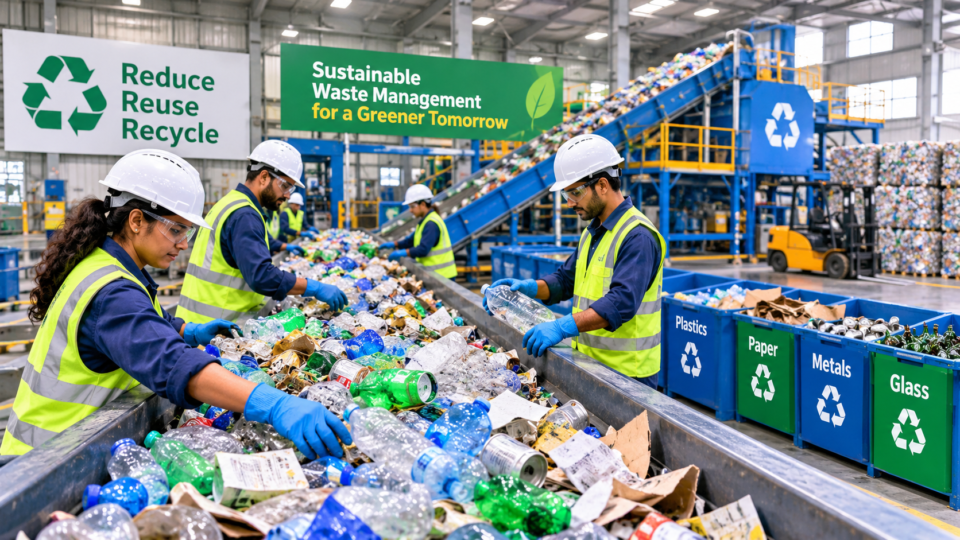
NEPRA Secures $11.7 Million to Expand India’s Recycling Capacity
Indian waste-management company NEPRA has secured an equity investment of approximately ₹110 crore ($11.7 million), as investors continue to back businesses addressing India’s growing waste-management challenges.
The investment was announced on November 19 by the Private Infrastructure Development Group through its InfraCo investment arm. Existing investors in the company include Aavishkaar Capital, Circulate Capital, Blue Earth Capital and Asha Impact.
Building a Larger Recycling Network
Founded in 2006, NEPRA operates waste collection, sorting and recycling facilities across cities including Ahmedabad, Indore, Pune and Bengaluru.
Its operations connect waste generators, collection networks, recycling infrastructure and businesses that use recovered materials. The company also works with a network that includes more than 1,500 registered waste pickers.
The business focuses on improving the process through which recyclable materials are collected, separated and returned to the economy.
Expansion Plans
NEPRA plans to increase its daily waste-processing capacity from approximately 900 tonnes to 1,880 tonnes.
It also aims to expand annual plastic recycling capacity from around 6,200 tonnes to 18,000 tonnes. The investment will support new material recovery facilities, recycling equipment and working capital.
These plans reflect the growing need for organised waste-processing infrastructure as Indian cities generate increasing volumes of household, commercial and industrial waste.
Why It Matters
Waste management is becoming an important investment area as governments and businesses face pressure to improve resource efficiency and reduce environmental damage.
Recycling companies can help manufacturers access recovered raw materials while reducing the volume of waste sent to landfills. However, their success depends on reliable collection networks, processing efficiency and consistent demand for recycled materials.
What Happens Next
The company’s ability to deliver its planned capacity expansion and build commercially sustainable recycling operations will determine how effectively it can use the new investment.
