
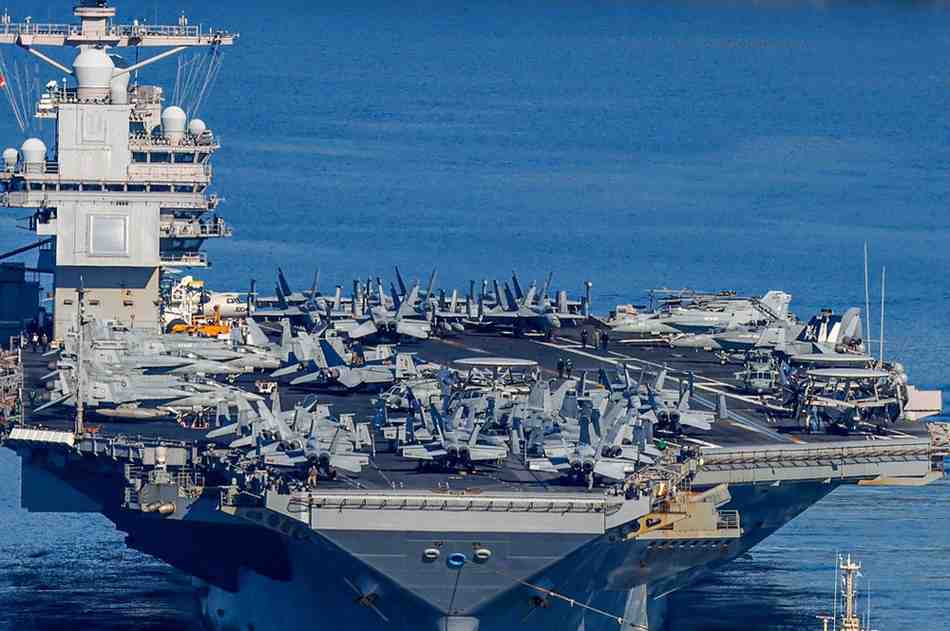
US Naval Blockade in Strait of Hormuz Could Cost Iran $435 Million Daily
Amid escalating tensions between the United States and Iran, a newly imposed American naval blockade in the Strait of Hormuz is expected to inflict heavy economic losses on Tehran, with estimates suggesting a daily hit of around $435 million. The move marks a significant escalation.
The blockade, announced by US President Donald Trump, targets Iranian ports along the strategic waterway, a vital route for global oil shipments. Analysts believe the move could significantly disrupt Iran’s economy by restricting its ability to export key commodities such as oil, fertilisers, and food products. The pressure is economic.
According to estimates cited in international reports, Iran could lose nearly $435 million (approximately ₹4,000 crore) per day if the blockade is fully enforced. A large portion of these losses would stem from halted oil exports, which remain the backbone of the country’s economy. Oil is the lifeblood.
The Strait of Hormuz plays a crucial role in global energy supply, acting as a major transit route for oil shipments from the Middle East. Any disruption in this region not only affects Iran but also has wider implications for global markets, often leading to fluctuations in oil prices and increased economic uncertainty. The world is watching.
Experts, however, caution that the actual financial damage may vary depending on how effectively the blockade is implemented and how Iran responds. Tehran could attempt to bypass restrictions by rerouting exports through alternative terminals such as Jask, which lies outside the strait’s immediate control zone. Iran may have options.
Additionally, Iran has some short-term buffers that may soften the immediate impact. Reports indicate that the country has already stored a substantial amount of oil—estimated at around 154 million barrels—outside the affected region. This reserve could help maintain supply temporarily despite the restrictions. Stockpiles provide a cushion.
The blockade comes after diplomatic efforts between the US and Iran failed to yield a resolution, marking a significant escalation in the ongoing conflict. The move is seen as part of Washington’s broader strategy to pressure Iran economically without resorting to full-scale military confrontation. Diplomacy failed.
However, the situation remains highly volatile. Iranian officials have condemned the blockade, calling it a violation of sovereignty, and have warned of potential retaliation. The risk of further escalation raises concerns about regional stability, especially given the strategic importance of the Gulf region. Retaliation is likely.
Beyond Iran, the blockade could have ripple effects across the global economy. Disruptions in oil supply chains may push prices higher, affecting fuel costs and inflation worldwide. Countries heavily dependent on Middle Eastern oil, including several in Asia, could face significant challenges if the situation persists. The global economy is at risk.
Also Read: Emotional Reveal: Samay Raina Opens Up About Anxiety Attack Amid Show Controversy
Overall, while the blockade is intended to weaken Iran economically, it also carries broader geopolitical and economic risks. The coming weeks will be crucial in determining whether the situation leads to renewed negotiations or further intensification of the conflict. The world holds its breath. The stakes are high.
